Robert Wilde Giclee Printing Studio

Fine Art Giclée and Digital Printing
Artists Printing for Artists

1. What is giclée printing?
2. How do I have giclée prints made of my work?
3. Why are color corrections necessary?
4. How are giclée prints priced?

Click this link for our current price list

     We are constantly looking for better options to serve your needs. LexJet, who supplies our specialty media - polyester fabrics, polypropelene film and more, is now offering Premium Archival Matte, an acid free, heavy weight smooth print paper to replace Enhanced Matte which Epson no longer lists as archival. We are now using this new paper for all of our basic printing and the price remains the same as Enhanced Matte .
     For superior fade and color shift resistance we use Jon Cone's ConeColor K2® inks. Jon is one of the pioneers of fine art digital printmaking. For 25 years Jon Cone has been on the leading edge of developing the technologies and materials for digital printmaking from the development of Iris software to the first quad-black inks and Piezography® B&W and now ConeColor® inks. His inks are 100% pigmented, no dyes at all, for superior fade resistance and matching of the color gamut of UltraChrome® inks. More about Jon Cone and Cone Editions history here.
     Hahnemuhle has become our preferred supplier of papers. This company has been making paper for 425 years in Dassel, Germany and certainly knows how to make truly archival paper.
We have also switched to Black Diamond canvas which we have found to have the strongest, most flexible ink receiving coating of any the the inkjet canvases we have tested. As of June 1st 2009 all of our canvas prints now receive a polymeric UV resistant top coating. It does increase the price slightly ( 3 cents per square inch ) but is well worth it for the increase in light and scuff resistance.

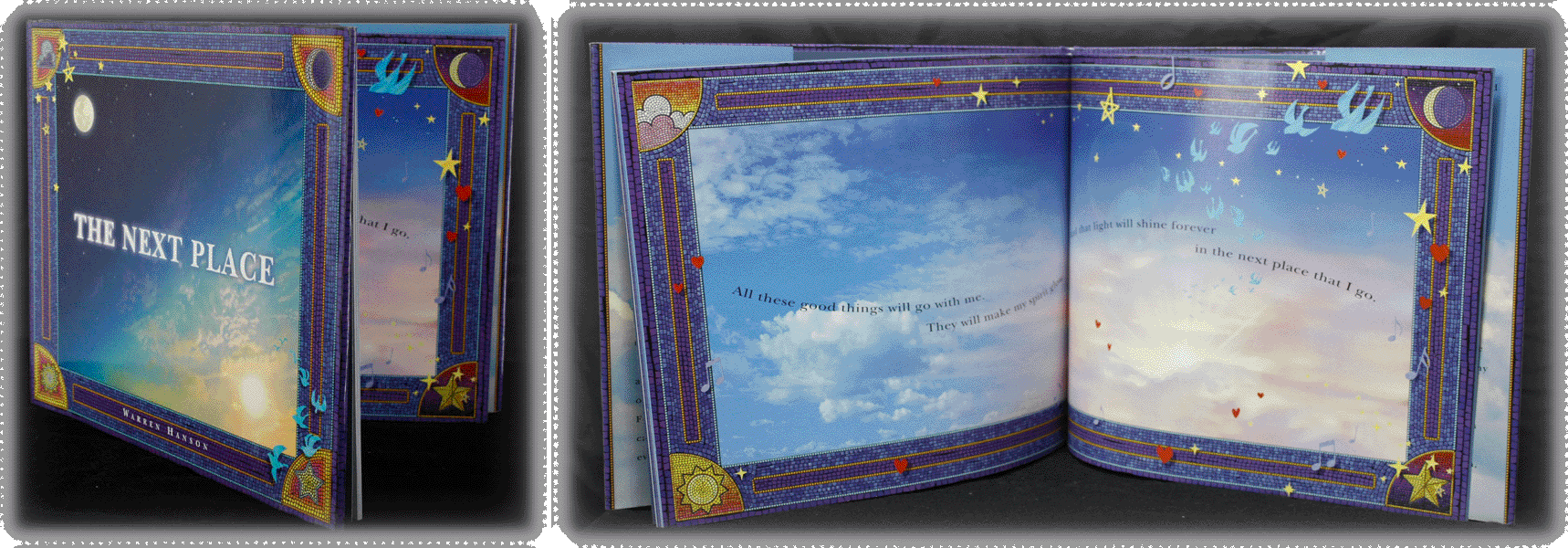
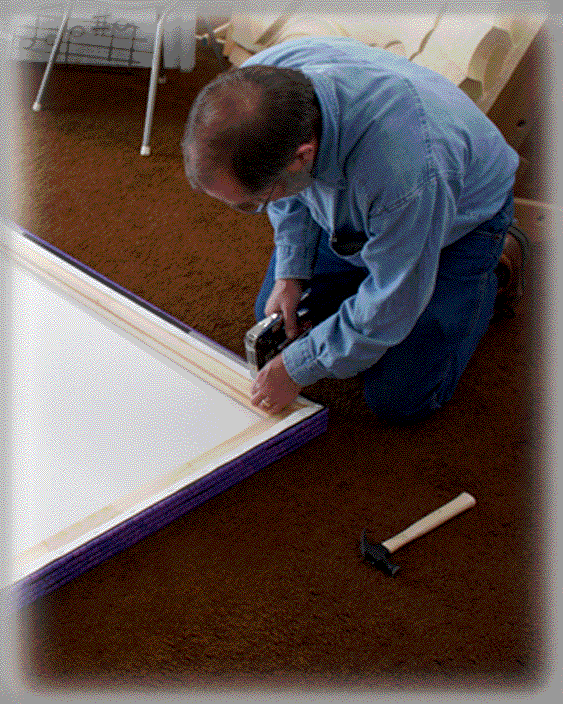
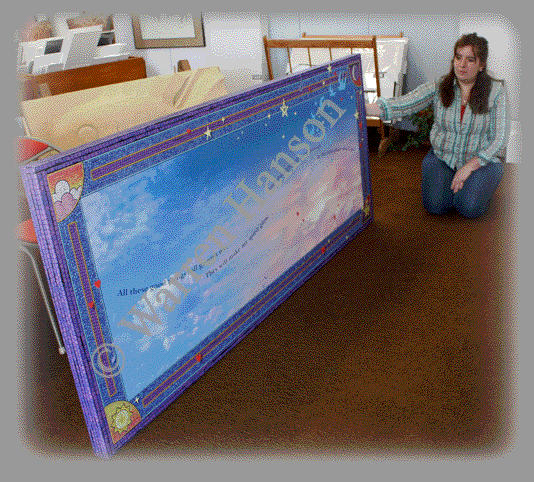
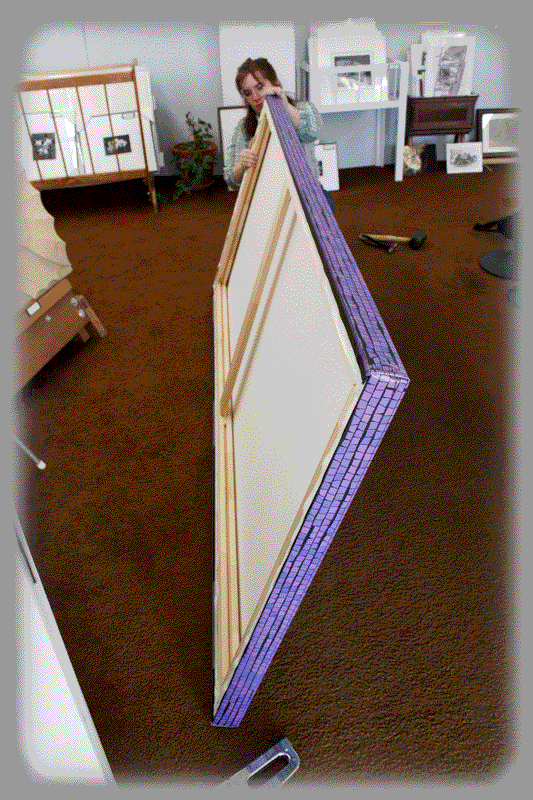
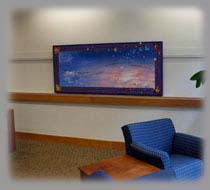
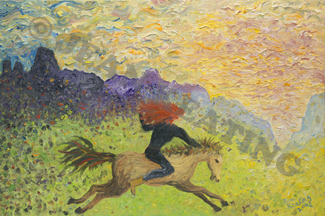
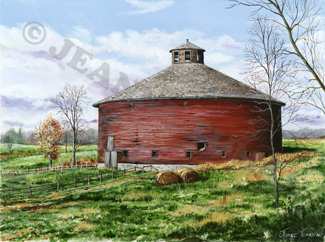
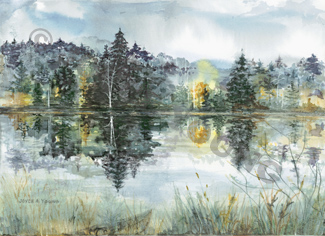
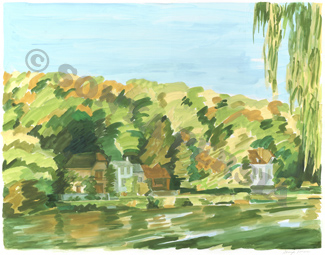
Examples of some of our print projects

For more complete instructions on file preparation click this link.

1. What is giclée printing?
Giclée is the name for a specialized high resolution inkjet process using pigmented inks on archival papers or canvas. Most inkjet printers use dye based inks that start out looking bright but fade quickly, sometimes in a matter of months. Depending on the paper or canvas used, giclée prints have fade resistance of 50 to 100+ years.

back to top


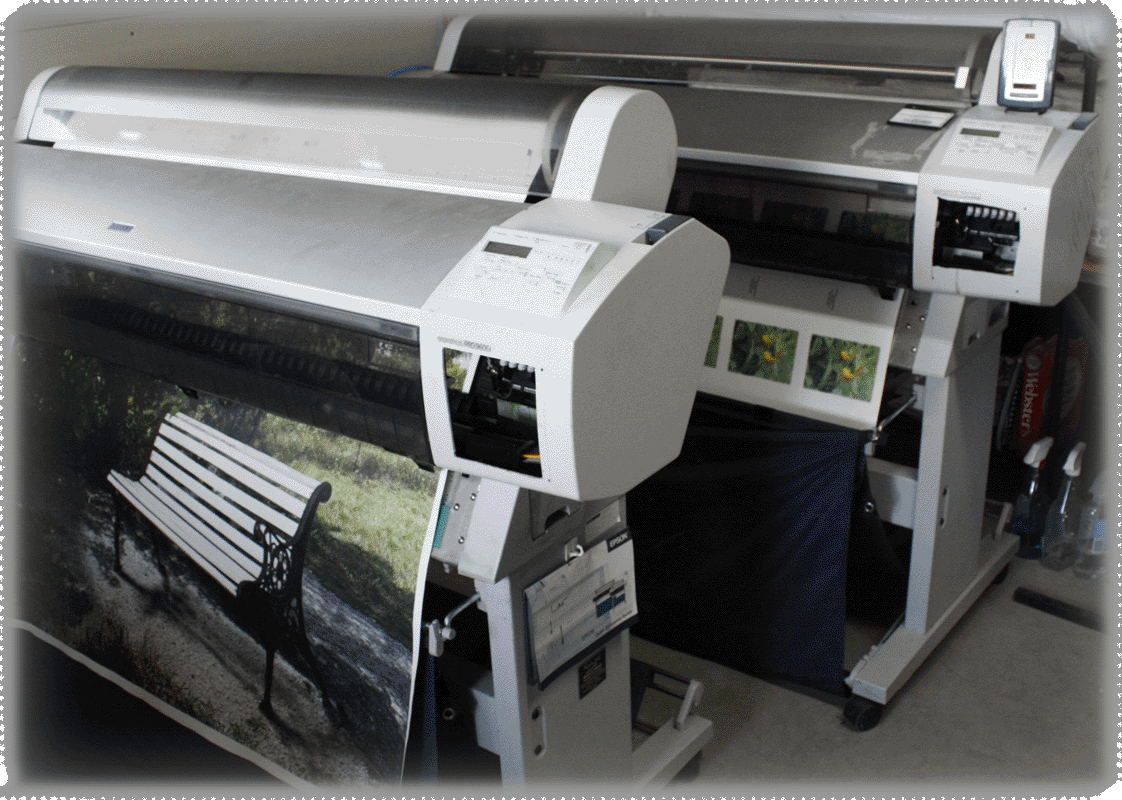
 Epson 9600® Print Station
Epson 9600 printer in use
This is our work-horse printer printing on 44" wide enhanced matte paper, Hahnemuhle, Somerset and other watercolor papers, canvas and other fabrics.

2. How do I have giclée prints made of my work?
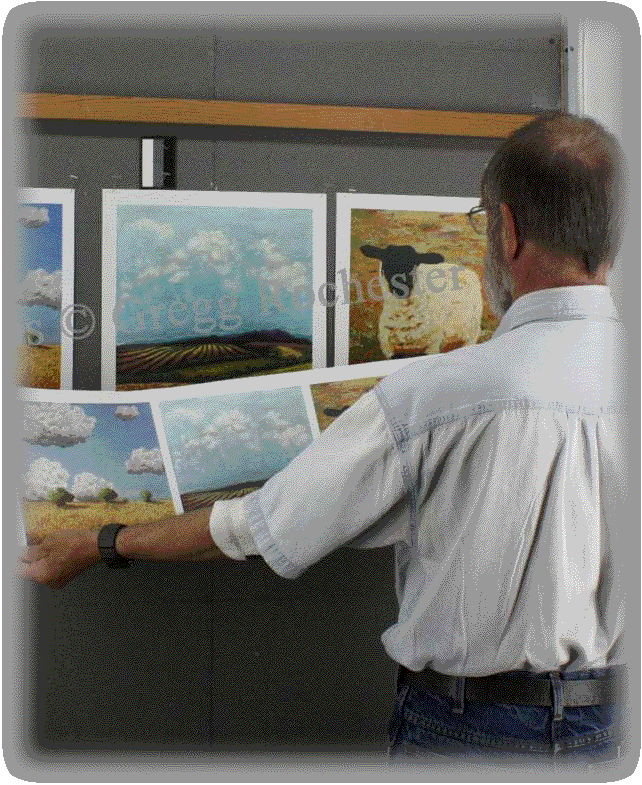
For best quality bring or send your original to our studio to be scanned. We will scan your original and do color corrections to the digital file for the media you choose for the final prints. Or you may send us a digital file of the work along with a proof print (a color photo or other print with the colors as you want them). For best reproduction the resolution should be 300 ppi at the physical size of the desired print. An alternate would be a digital photo of your work at your camera's highest quality setting that includes a photographer's gray scale or gray card in the image (Gray Scales and Gray Cards are available at photo supply stores). For more complete instructions click this link. We will then print a color proof for your approval. You may view the proof in our studio or we will send it to you for approval or mark up. Upon approval you decide how many prints you want produced at that time. You do not need to have all the prints in an edition done at one time. We keep the approved digital image and one reference print on file for future printing.

back to top

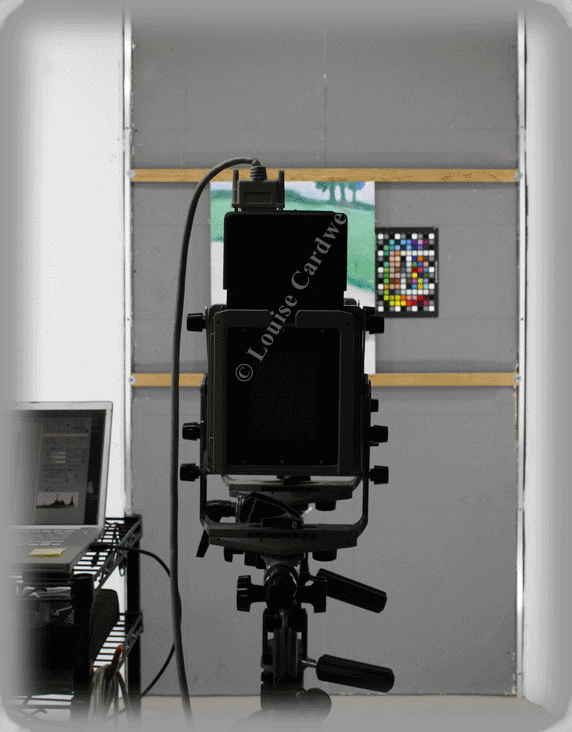
 BetterLight® Scanning Camera
BetterLight scanning camera
Our 144 MP scanning camera with chroma 50 soft surround lighting produces high resolution images with very accurate color rendition.

3. Why are color corrections necessary?
Color is our brain's interpretation of light waves reflected or absorbed by some surface. Under pure white light (sunlight unaffected by stuff in the air: dust, water vapor, etc.) a particular pigment on a particular surface will always be the same color to a particular individual. We do not always view things under pure white light. Incandescent lights have lots of red and yellow light waves but few blue waves; fluorescent lights have peaks of green and yellow but can vary considerably.
Pigments also can change color with the surface on which they are applied. Light may be reflecting from the surface through the pigment changing its apparent color. Pigments may also have a chemical reaction to the surface and change color.
Add to this the variations in color sensitivity of the devices we use to capture an image. Film is notorious for its variations in color balance. But digital scanners and cameras also vary. Cheap cameras and scanners have difficulty capturing subtle differences in blues and violets.
We do our image capture under color balanced lighting and calibrate our cameras/scanners and monitors to standardized color test patterns. However the final color calibration has to be a real person doing a side by side comparison under good lighting. That is a long answer to a short question but the complete answer is book length.

back to top

  Elisabeth at work at our Epson 9600 work station.
Elisabeth at printer work station


4. How are giclée prints priced?
The original scan and color correction is a one-time cost. Small images, letter size or smaller, that can be scanned on a flat-bed scanner involve little set up time and are less expensive. Large images are shot with a digital scanning back in a large format camera. This requires more set up time adjusting the camera and lighting to produce the best possible image capture. We keep your approved image on file for future printing.
The final prints are priced per square inch of the image based on your desired media and include a one to two inch border proportional to the size of the print. There is not the press set up time that is involved in offset printing so there is no minimum quantity of prints. Each time you order prints the cost per print will be the same unless there is a change in the cost of our supplies.

back to top


click this link for our current price list

Need ADOBE® READER®? Click Here

CALL 1-320-275-3403 or Contact Robert Wilde Studios FOR MORE INFORMATION

Examples of some of our print projects

We accept
by phone or

We accept PayPal
Solution Graphics

                          Giclee Printmaking | Archival Digital Printing | Giclee Digital Printing | Archival Printmaking

back to top


Robert Wilde BFA, MA., Dassel, MN 55325   (320) 275-3403  Contact Robert Wilde Studios
Robert Wilde Studios copyright 1996-2012 last rev. 1-25-12
url:http://www.wildestudios.com/index.php
Privacy Policy